
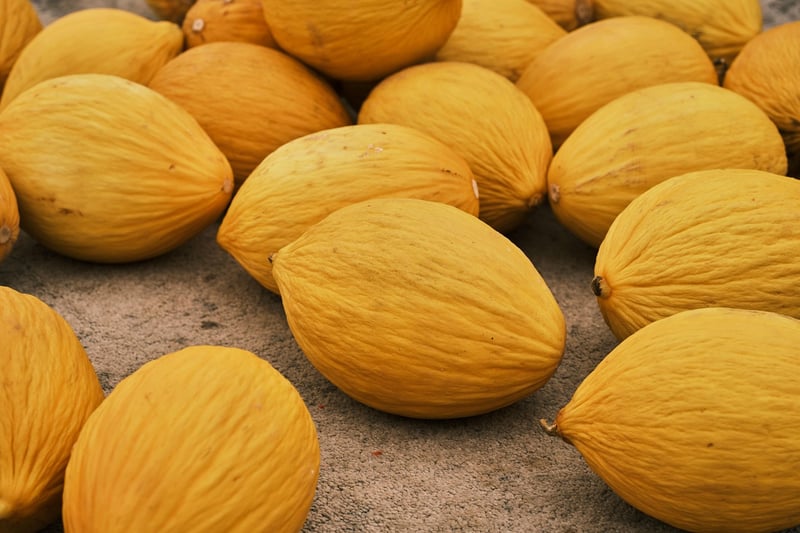
Exploring Key Components of Seasonal Produce
Welcome to our guide on seasonal produce! Understanding the key components of seasonal fruits and vegetables can help you make informed choices about what to buy and when. Let's delve into the world of seasonal produce and discover what makes it so special.
Benefits of Seasonal Produce
Seasonal produce offers a plethora of benefits:
- Enhanced Flavor: Seasonal fruits and vegetables are often fresher and tastier as they are picked at the peak of ripeness.
- Nutritional Value: Freshly harvested produce retains more nutrients compared to items that have been stored for long periods.
- Eco-Friendly: Buying seasonal produce supports local farmers and reduces the carbon footprint associated with long-distance transportation.
Key Components of Seasonal Produce
Several factors influence the availability of seasonal produce:
- Climate: Different fruits and vegetables thrive in specific climates and seasons, affecting their availability.
- Geography: The location where produce is grown determines its seasonality due to variations in temperature, rainfall, and sunlight.
- Cultivation Practices: Some crops require specific growing conditions, impacting when they are harvested and available in the market.
Popular Seasonal Produce
Here are some examples of seasonal fruits and vegetables:
- Spring: Strawberries, asparagus, peas, spinach
- Summer: Watermelon, tomatoes, zucchini, bell peppers
- Fall: Apples, pumpkins, sweet potatoes, Brussels sprouts
- Winter: Oranges, kale, carrots, winter squash
Exploring Seasonal Variety
Embrace the variety of seasonal produce to enjoy a diverse range of flavors and nutrients throughout the year. Experiment with different fruits and vegetables to discover new favorites and expand your culinary horizons!

Next time you visit the market, consider choosing seasonal produce to savor the freshness and goodness it offers. Happy exploring!